
Мехико: древняя столица ацтеков
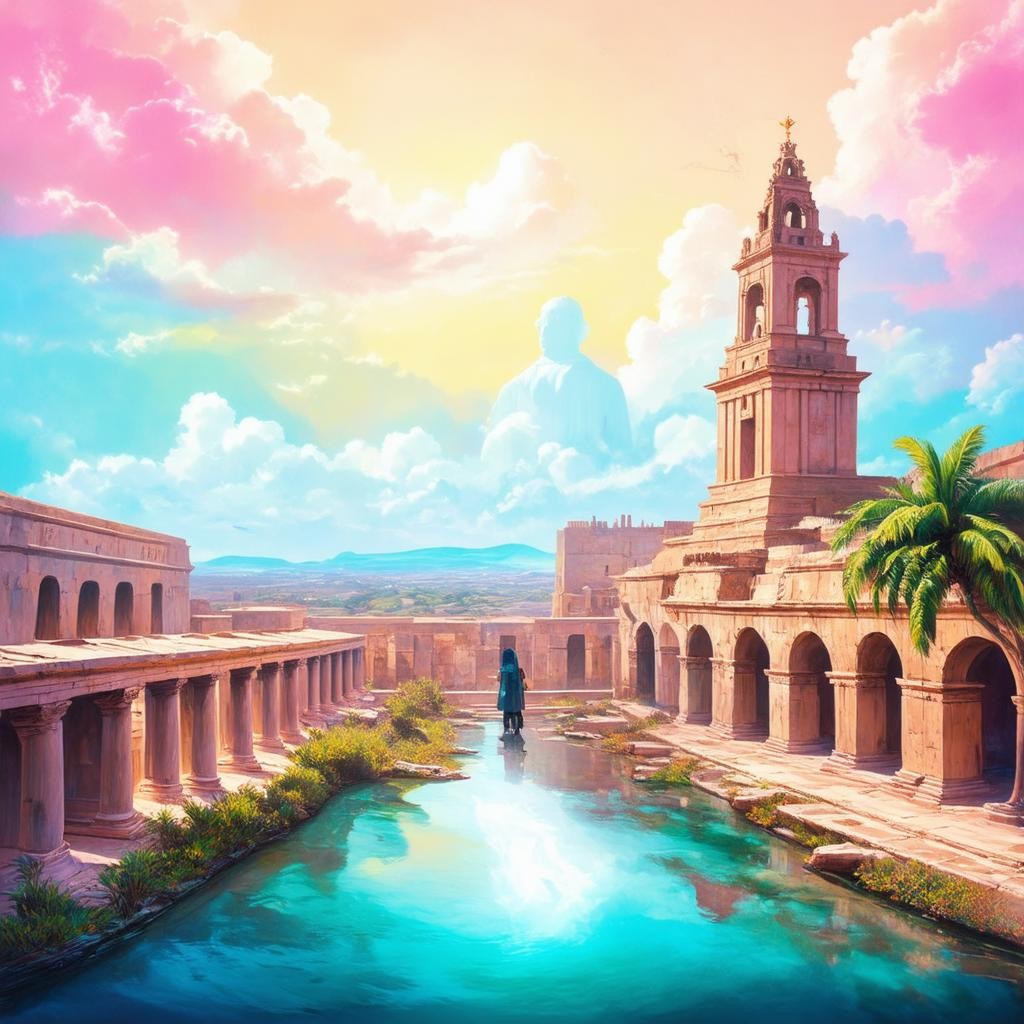
Древняя столица ацтеков: от Теночтитлана до современного Мехико
Мехико, один из крупнейших мегаполисов мира, хранит beneath its modern streets the ancient heart of the Aztec Empire. Founded in 1325 as Tenochtitlan, the city was built on an island in Lake Texcoco, becoming the magnificent capital of the Aztec civilization. According to legend, the Mexica people wandered for centuries before finding the promised sign: an eagle perched on a cactus devouring a snake. This powerful symbol, now featured on Mexico's flag, marked the sacred location where they established their city. The Aztecs engineered an intricate system of canals, causeways, and floating gardens called chinampas, transforming the swampy island into a thriving metropolis that astonished Spanish conquistadors upon their arrival in 1519.
Архитектурные чудеса Теночтитлана
Древний Теночтитлан поражал своей архитектурой и urban planning. The city was organized around a massive ceremonial center featuring towering pyramids, temples, and palaces. The most impressive structure was the Templo Mayor, a double pyramid dedicated to the gods Huitzilopochtli (god of war) and Tlaloc (god of rain). This architectural marvel stood approximately 60 meters tall and was the spiritual heart of the Aztec world. Other notable structures included:
- Великий храм Тлателолько - важный религиозный и торговый центр
- Дворец императора Монтесумы с сотнями комнат и богатыми садами
- Сложная система акведуков, supplying fresh water from Chapultepec springs
- Каменные дамбы, защищающие город от наводнений
- Цомпантли - стена из черепов, демонстрирующая мощь империи
Завоевание и transformation под испанским владычеством
Прибытие Эрнана Кортеса и испанских конкистадоров в 1519 году marked the beginning of the end for the Aztec Empire. After a brutal siege lasting 93 days, Tenochtitlan fell on August 13, 1521. The Spanish systematically destroyed the magnificent city, using the stones from Aztec temples to build their own churches and palaces. The great Templo Mayor was buried beneath what would become the Zócalo, Mexico City's main square. The Spanish built their colonial capital directly atop the ruins of Tenochtitlan, draining Lake Texcoco and expanding the city across the former lakebed. This overlay of Spanish colonialism onto Aztec foundations created the unique cultural layering that characterizes modern Mexico City.
Археологические открытия и сохранение наследия
В течение столетий древний Теночтитлан считался практически lost to history, until accidental discoveries in the 20th century revealed its preserved remnants. The most significant breakthrough came in 1978, when electrical workers uncovered an enormous stone disk depicting Coyolxauhqui, the Aztec moon goddess. This discovery led to the excavation of the Templo Mayor site, which has since become one of Mexico City's most important archaeological museums. Ongoing excavations continue to reveal astonishing finds, including:
- Более 200 ritual offerings containing thousands of objects
- Черепа жертвенных victims from the Huey Tzompantli
- Остатки дворца императора Ауицотля
- Древние residential structures showing daily Aztec life
- Каменные скульптуры богов и мифологических существ
Современные достопримечательности, связанные с ацтекским наследием
Сегодня visitors to Mexico City can explore numerous sites connected to its Aztec past. The Templo Mayor Museum stands adjacent to the archaeological site, displaying artifacts recovered from excavations. The National Museum of Anthropology houses the world's most comprehensive collection of Aztec artifacts, including the famous Sun Stone often called the Aztec Calendar. Other significant locations include:
- Площадь Трех Культур (Plaza de las Tres Culturas) - showcasing Aztec, colonial, and modern architecture
- Базилика Богоматери Гваделупской - built near the site where the Virgin Mary allegedly appeared to an Aztec convert
- Чапультепекский парк - former retreat for Aztec rulers, now home to museums and castles
- Сочимилько - network of canals with surviving chinampa farming methods
- Теотиуакан nearby - though not Aztec, this ancient city greatly influenced their culture
Культурное наследие и влияние ацтеков на современный Мехико
Наследие ацтеков продолжает жить в культуре, cuisine, and identity of Mexico City. Many place names retain their Nahuatl origins, including Mexico itself (from Mexica) and Chapultepec (grasshopper hill). Traditional foods like tamales, pozole, and chocolate have Aztec roots. The Mexican Spanish language incorporates hundreds of Nahuatl words, including tomato (tomatl), avocado (ahuacatl), and chili (chilli). Even the city's layout preserves aspects of the original Aztec design, with major avenues following ancient causeways. This cultural continuity makes Mexico City unique among world capitals, where ancient indigenous traditions seamlessly blend with European influences and modern globalization.
Сохранение и будущее ацтекского наследия
Правительство Мексики и международные организации активно work to preserve Mexico City's Aztec heritage amid urban challenges. The historic center has been designated a UNESCO World Heritage Site, protecting both colonial and pre-Columbian structures. Archaeologists face constant challenges from groundwater, soil subsidence, and urban development. Innovative preservation techniques include injecting special chemicals to stabilize ancient structures and using ground-penetrating radar to locate undiscovered ruins. Educational programs teach residents and visitors about the city's deep history, ensuring that the legacy of Tenochtitlan continues to inspire future generations. As excavation technology improves, archaeologists believe many more secrets of the ancient Aztec capital remain waiting to be discovered beneath the bustling streets of modern Mexico City.
Мехико представляет собой уникальный пример непрерывного urban history spanning nearly seven centuries. From its origins as the island capital of an expansive empire to its current status as a global metropolis, the city maintains tangible connections to its Aztec foundation. Visitors who look beyond the modern surface will discover a rich tapestry of history, where ancient pyramids lie literally beneath Catholic cathedrals, and where pre-Columbian traditions continue to shape contemporary culture. This living dialogue between past and present makes Mexico City not just a destination for historical tourism, but a vibrant example of how ancient civilizations continue to influence and inspire the modern world.
Добавлено: 22.08.2025